Duke University · Political Science
Yidan Xia
Why does identity form robustly even when information is abundant, oppression and censorship are known? I study how narrative frameworks shape collective self-understanding across intellectual history, satellite imagery, and platform data, and why awareness of those frameworks’ constructed nature does not dissolve their hold.
Research Journey
Five projects across three scales (intellectual history, macro-behavioral observation, and micro-level digital expression), each pushed forward by the limits of the last.
Undergraduate thesis. How the Hua-Yi distinction and Western international law intertwined to construct the modern imagination of “Asia,” and why Asianism reproduced the very spatial-order logic it sought to transcend. A failed antithesis.
Data preparation, PSM, and control-group selection for a difference-in-differences evaluation of Florida’s 2010 opioid control policies.
Satellite nightlight as a proxy for student activity under China’s Double Reduction policy. Three identification strategies failed; a follow-up Shanghai GIS exercise confirmed the proxy itself cannot hold. The lesson: objective remote sensing cannot penetrate individual-level states.
Within a single discourse event (the “Mourning Ming” wave), which narrative directions face differential search-visibility friction? Feminist-lineage framing and Dream of the Red Chamber material are the most robustly associated with reduced visibility, not the directions one might expect.
Course proposal (POLSCI 719S). Can patriotic education achieve broad coverage of official nationhood premises without producing comparable integration of their logical dependencies? Developed from discourse analysis into a fieldable survey-experiment design.
M.A. thesis proposal. Do ordinary citizens rely on the same inferential chain the state uses when justifying territorial integrity? Or does the Qing-continuity premise the state treats as load-bearing turn out to be available but not relied upon?
Projects
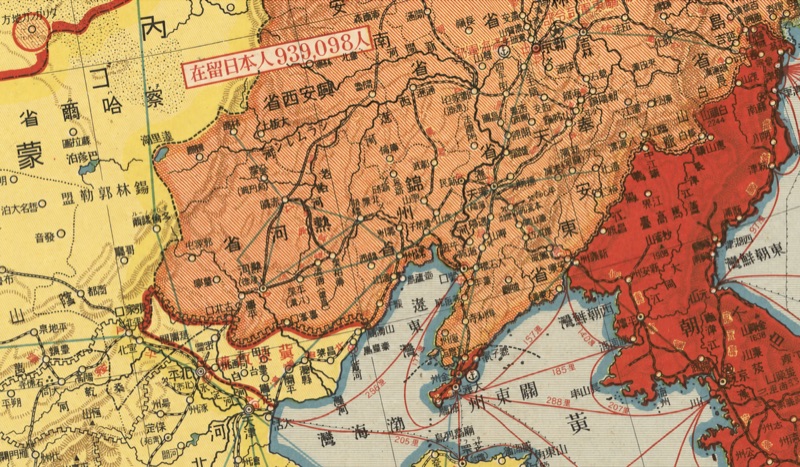
“Evil” and “Benevolence” in Modern Japanese Asianism
How the Hua-Yi distinction and Western international law jointly constructed the modern imagination of “Asia,” and why Asianism’s moral vocabulary became a failed antithesis to Eurocentric universalism.
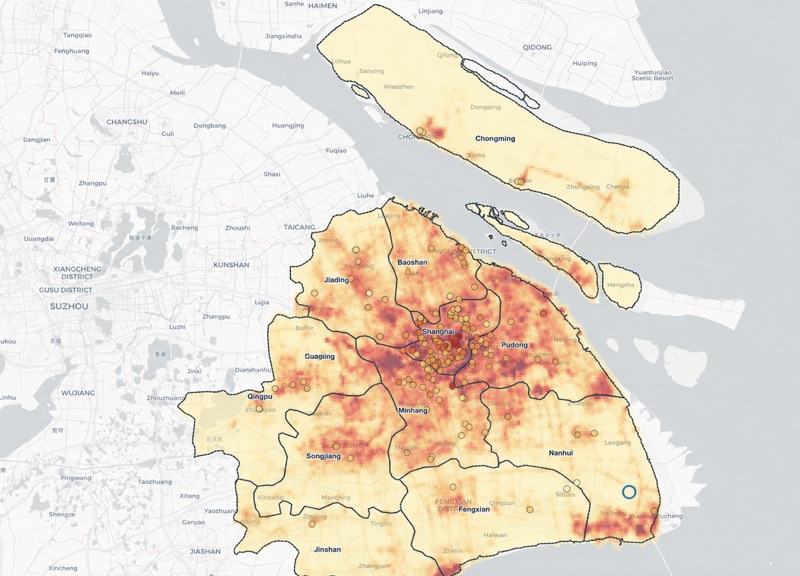
Did Double Reduction Really Reduce Burden?
Synthetic control analysis of nighttime light around schools in 10 pilot cities, followed by a Shanghai GIS exercise showing the proxy itself cannot detect student activity.
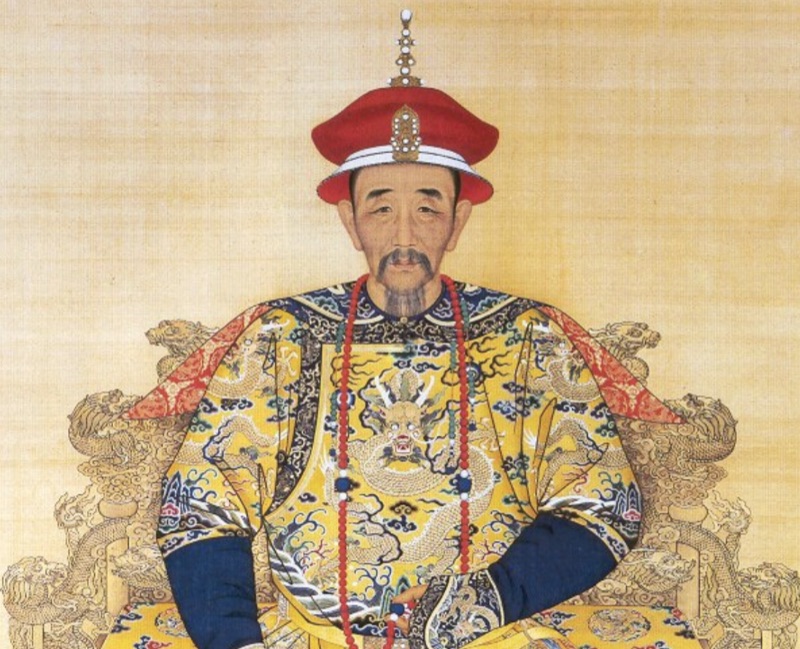
Visibility Friction on Xiaohongshu
Within the 2025 “Mourning Ming” wave, feminist framing and Red Chamber material are the most robustly associated with reduced search visibility, not the directions conventional accounts would predict.

Coverage without Integration?
Survey design: Does patriotic education achieve broad coverage of official nationhood premises without producing comparable integration of their logical dependencies?
Mourning Ming and Narrative Resilience
Survey design: Do ordinary citizens rely on the state’s own inferential chain when justifying territorial integrity, or do they reach for entirely different reasons?
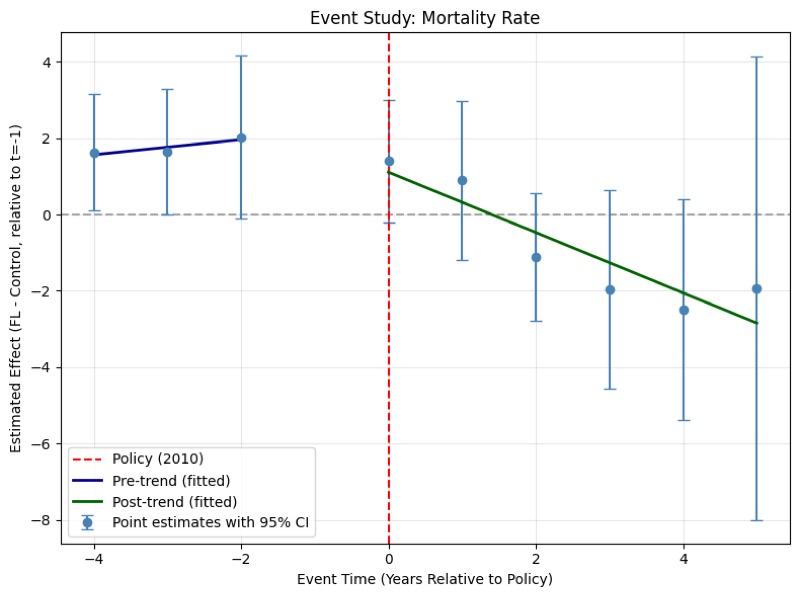
Florida’s 2010 Opioid Policies
A data-methods exercise: multi-source data integration, propensity score matching, and control-group selection for a DiD evaluation.